Different Justice? Why The Alex Murdaugh Debate Has People Reexamining R. Kelly’s Trials
The conversation surrounding Alex Murdaugh’s conviction and allegations of outside influence has sparked a larger debate online: if concerns about jury influence and courtroom fairness are serious enough to justify revisiting one high profile case, why were similar concerns dismissed in the trials of R. Kelly?
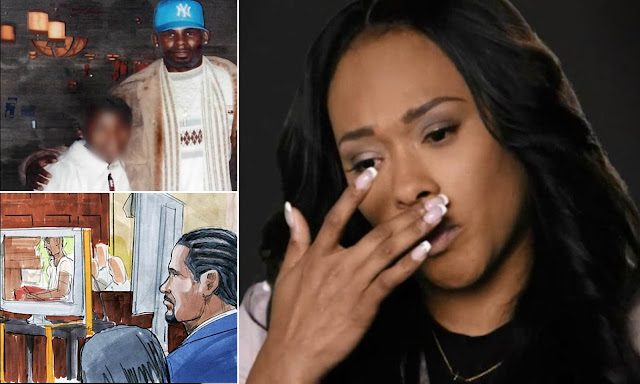
Critics argue that R. Kelly entered both the Chicago and New York courtrooms facing years of media narratives, documentaries, public outrage campaigns, and nonstop commentary that may have already shaped public opinion before jurors were even selected. Many supporters and legal observers believe the atmosphere surrounding the cases made it nearly impossible for him to receive a completely unbiased trial.
In particular, questions continue to circulate about decisions made during the New York proceedings under Judge Ann Donnelly. Some point to the allowance of testimony involving uncharged acts and emotionally charged allegations that critics say went beyond the direct charges at hand. According to those raising concerns, the cumulative effect may have contributed to painting R. Kelly in a deeply prejudicial light before the jury.
The renewed discussion comes as social media users compare legal standards across celebrity cases and ask whether constitutional protections are applied consistently. Supporters of revisiting the R. Kelly convictions argue that fairness in the justice system cannot be selective or dependent on public popularity.
Whether people agree or disagree with R. Kelly personally, the debate has shifted toward a broader question about due process, jury impartiality, judicial discretion, and the role media influence can play in high profile prosecutions.
As more conversations unfold online, many are revisiting old courtroom moments, rulings, and legal strategies that they believe deserve another look. For some, the issue is no longer simply about one celebrity trial, but about whether equal standards of justice truly exist when public perception has already declared someone guilty before proceedings even begin.




Comments